Sale-a-brate
Enjoy up to 70% OFF select artisan products from now through
September 29. Explore in-store, get local delivery, or to get it shipped nationwide

Classic Recommendation
The Timeless Allure of Pasta: History, Culture, and Endless Possibilities
Few foods in the world can rival pasta in its universal appeal. Whether enjoyed in a rustic Italian trattoria, cooked at home on a busy weeknight, or reimagined by Michelin-starred chefs, pasta has a way of bridging cultures, comforting the soul, and sparking creativity. At its core, pasta is simple—flour and water, sometimes with eggs—but its story is far richer and more complex than its humble ingredients suggest.
In this article, we’ll explore pasta from multiple perspectives: its fascinating history, the different shapes and their symbolism, the techniques behind creating perfect pasta, and how it has traveled across borders to become a beloved staple worldwide. By the end, you might find yourself seeing spaghetti, penne, and ravioli in a whole new light.
The Origins of Pasta: Myth and Reality
When people think of pasta, the first association is almost always Italy. Yet debates continue about where pasta truly began. Some claim it originated in ancient China, pointing to early records of noodles made from millet more than 4,000 years ago. The story of Marco Polo supposedly “bringing pasta to Italy” after his travels to Asia has been widely circulated, though most historians consider it a myth.
In reality, evidence suggests that pasta in some form already existed in the Mediterranean long before Polo’s voyages. Ancient Greeks and Romans enjoyed lagana, sheets of dough layered with fillings that closely resembled modern-day lasagna. Arab traders introduced techniques of drying and preserving noodles, which made them perfect for long journeys across the desert and sea. Over time, Italy became the place where these influences converged, refined, and ultimately gave birth to the pasta culture we know today.
Why Pasta Took Root in Italy
The Italian peninsula offered the perfect environment for pasta to flourish. The mild climate supported the cultivation of durum wheat, whose high protein and gluten content made for sturdy dough that held its shape. Coastal cities such as Naples became hubs for drying pasta in the sun, ensuring that it could be stored and shipped across regions.
Cultural factors also played a role. Italy’s fragmented city-states encouraged culinary diversity, with each region developing its own variations of pasta. Sicily combined Arab techniques with local flavors. Emilia-Romagna elevated stuffed pastas like tortellini and cappelletti. Naples popularized spaghetti with tomato sauce, a combination that would later conquer the world.
The Language of Shapes
One of the most enchanting aspects of pasta is the sheer variety of its forms. More than 350 distinct shapes exist, each with a specific name and purpose. Some are designed to hold rich, chunky sauces; others are delicate, meant to highlight subtle flavors.
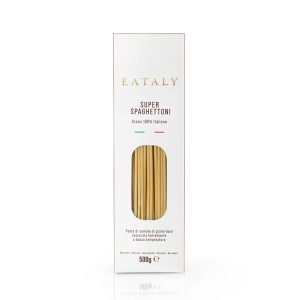
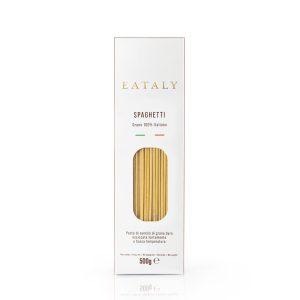
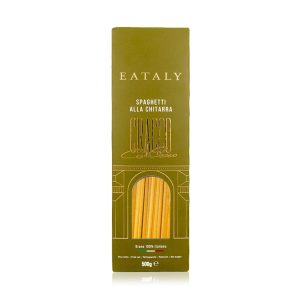
Spaghetti: Thin, cylindrical strands that embody simplicity. Best paired with smooth sauces like marinara or aglio e olio.
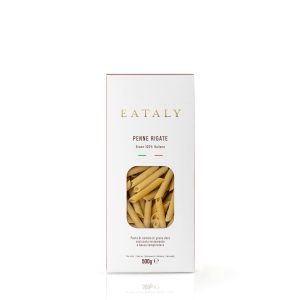
Penne: Tube-shaped pasta with angled cuts, perfect for catching creamy or meaty sauces inside.
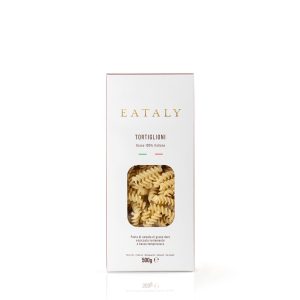
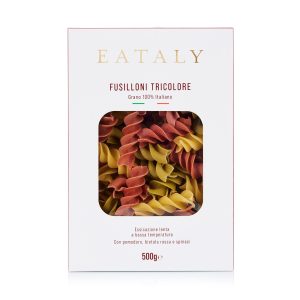
Fusilli: Spirals that trap every drop of sauce in their curves.
Lasagna: Flat sheets layered with fillings, embodying indulgence and abundance.
Ravioli and Tortellini: Stuffed varieties that turn pasta into a complete meal, combining dough and filling in harmonious bites.
Beyond functionality, pasta shapes often carry symbolic meaning. Orecchiette, “little ears,” evoke rustic simplicity. Farfalle, shaped like butterflies, suggest lightness and playfulness. Each form tells a story not just about cuisine, but about the people who created it.
Crafting Pasta: An Art and a Science
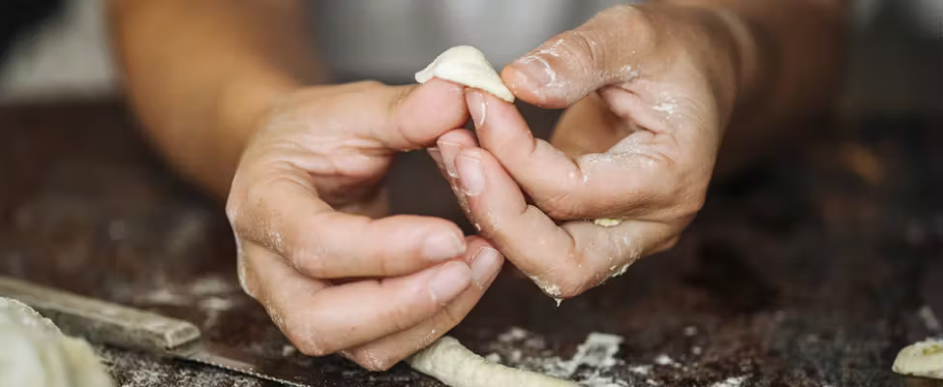
Making pasta by hand is both meditative and technical. The traditional method begins with a mound of flour on a wooden surface, a well in the center, and eggs cracked into it. The cook slowly incorporates the flour until a smooth dough forms. After kneading, the dough rests before being rolled and shaped.
Two key elements define good pasta:
Texture – Fresh pasta is silky and tender, while dried pasta has a firm bite when cooked al dente. Achieving the right consistency requires balancing flour type, hydration, and kneading.
Cooking – Pasta must be boiled in generously salted water to season it from within. Timing is everything: too short, and it remains raw; too long, and it turns mushy.
Chefs often stress that the pasta should not merely be a vehicle for sauce—it should interact with it. The finishing step, where pasta is tossed with sauce in a hot pan, is essential to achieving harmony on the plate.
SHOP OUR PRODUCTS
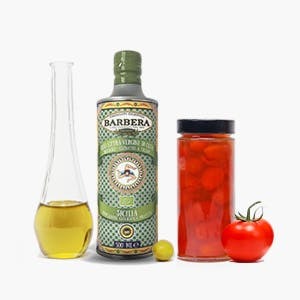
GOURMET GIFT BOXES
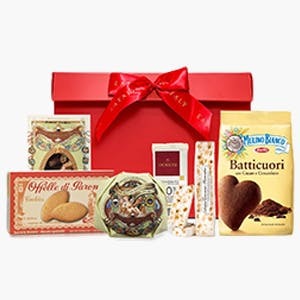
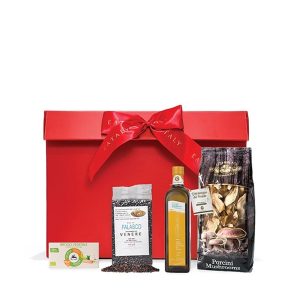
Gift the joy of gourmet with our curated gift boxes brimming with the finest flavors of Italy.
Sale!
Gifts
Original price was: $126.89.$38.07Current price is: $38.07.
Sale!
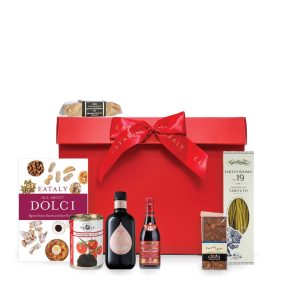
Gifts
Original price was: $202.94.$60.88Current price is: $60.88.
Sale!
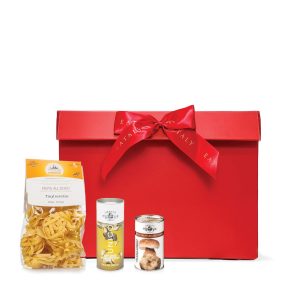
Gifts
Original price was: $86.39.$25.92Current price is: $25.92.
Sale!
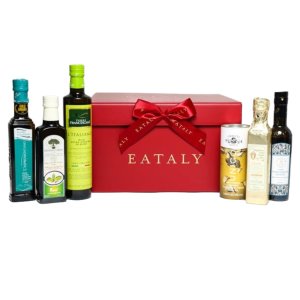
Original price was: $178.19.$53.46Current price is: $53.46.
Sale!
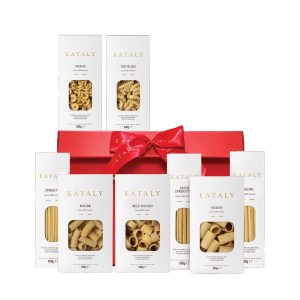
Gifts
Original price was: $89.09.$26.73Current price is: $26.73.
Sale!
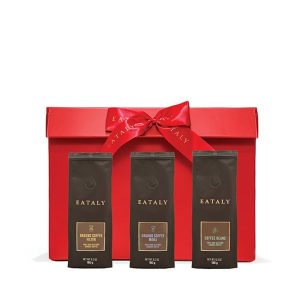
Gifts
Original price was: $46.79.$14.04Current price is: $14.04.
Sale!
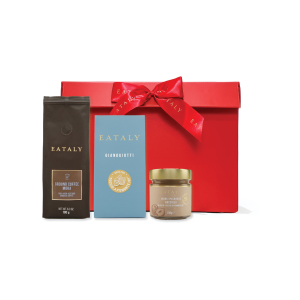
Gifts
Original price was: $53.99.$16.20Current price is: $16.20.
Sale!
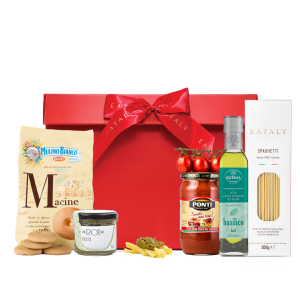
Gifts
Original price was: $66.59.$19.98Current price is: $19.98.
Sale!
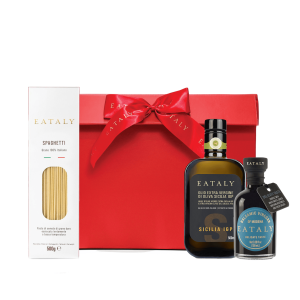
Gifts
Original price was: $59.39.$17.82Current price is: $17.82.
Sale!
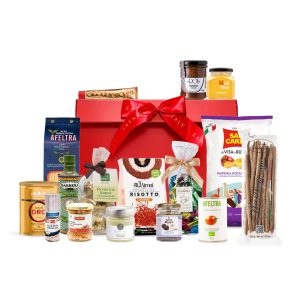
Original price was: $290.24.$87.07Current price is: $87.07.
Sale!
Gifts
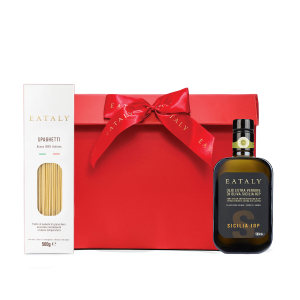
Original price was: $49.49.$14.85Current price is: $14.85.
Sale!
Gifts
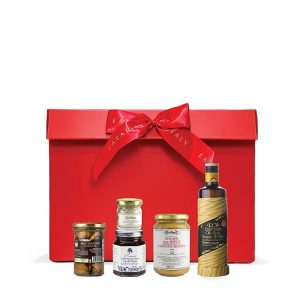
Original price was: $125.09.$37.53Current price is: $37.53.
Sale!
Gifts
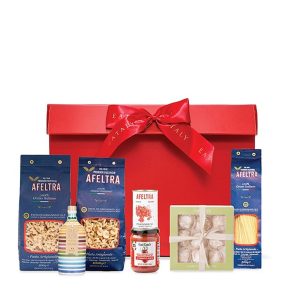
Original price was: $158.39.$47.52Current price is: $47.52.
Sale!
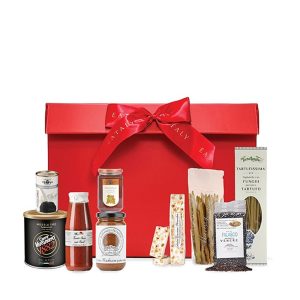
Gifts
Original price was: $149.84.$44.95Current price is: $44.95.
Sale!
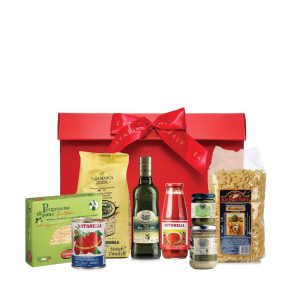
Gifts
Original price was: $116.09.$34.83Current price is: $34.83.
Sale!
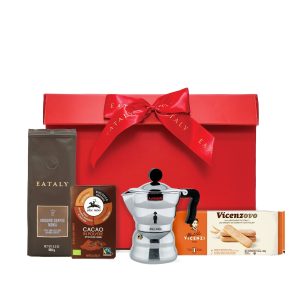
Gifts
Original price was: $128.69.$38.61Current price is: $38.61.
Sale!
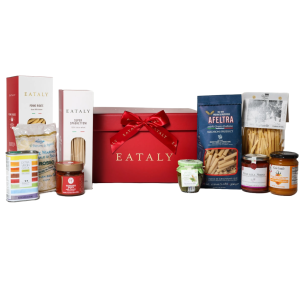
Gifts
Original price was: $164.69.$49.41Current price is: $49.41.
Sale!
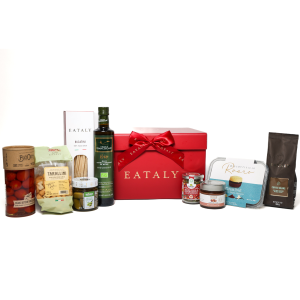
Gifts
Original price was: $128.69.$38.61Current price is: $38.61.
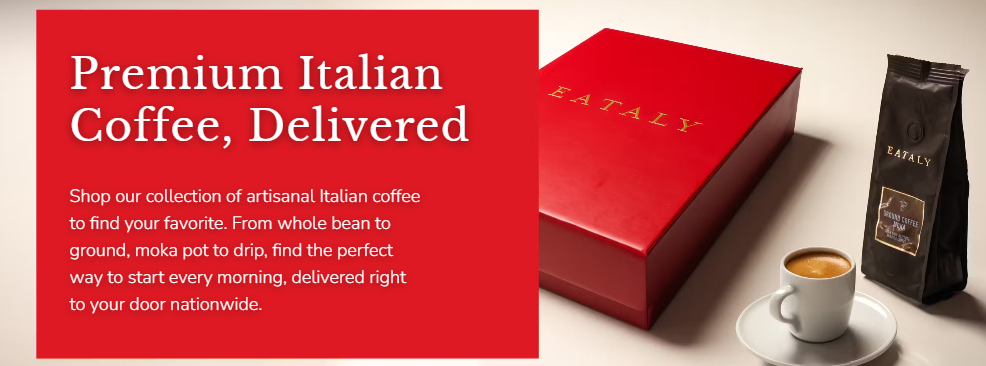
ARTISANAL ITALIAN COFFEE
Start your morning off with the best.
Sale!
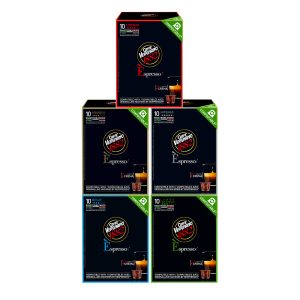
Coffee & Tea
Original price was: $35.99.$10.80Current price is: $10.80.
Sale!
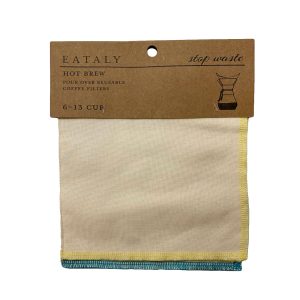
Coffee & Tea
Original price was: $9.99.$3.00Current price is: $3.00.
Sale!
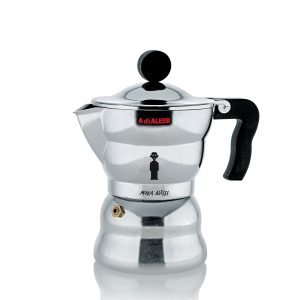
Coffee & Tea
Original price was: $81.49.$24.45Current price is: $24.45.
Sale!
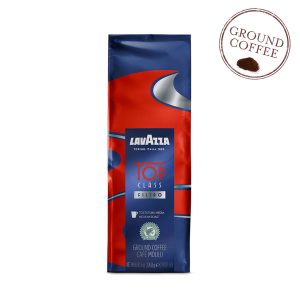
Coffee & Tea
Original price was: $8.07.$2.42Current price is: $2.42.
Sale!
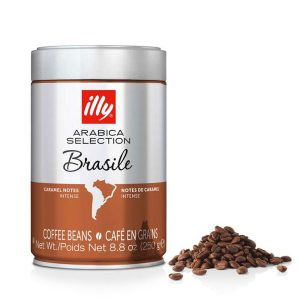
Coffee & Tea
Original price was: $21.99.$6.60Current price is: $6.60.
Sale!
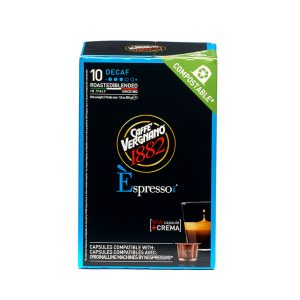
Coffee & Tea
Original price was: $7.19.$2.16Current price is: $2.16.
Sale!
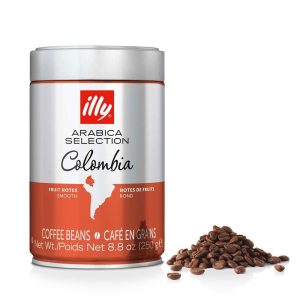
Coffee & Tea
Original price was: $21.99.$6.60Current price is: $6.60.
Sale!
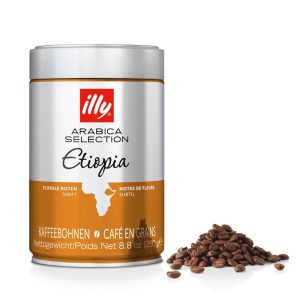
Coffee & Tea
Original price was: $21.99.$6.60Current price is: $6.60.
Sale!
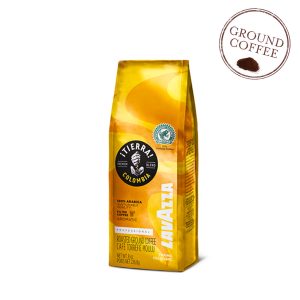
Coffee & Tea
Original price was: $14.99.$4.50Current price is: $4.50.
Sale!
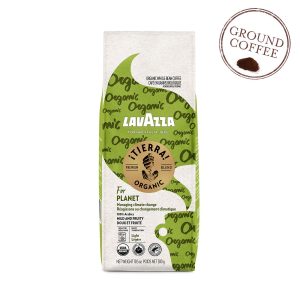
Coffee & Tea
Original price was: $15.99.$4.80Current price is: $4.80.
Sale!
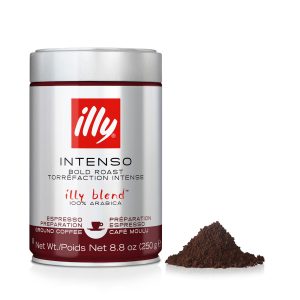
Coffee & Tea
Original price was: $21.99.$6.60Current price is: $6.60.
Sale!
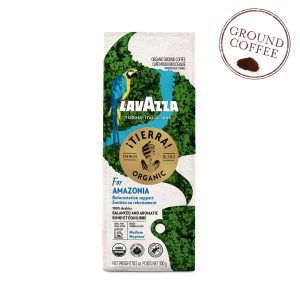
Coffee & Tea
Original price was: $15.99.$4.80Current price is: $4.80.
Sale!
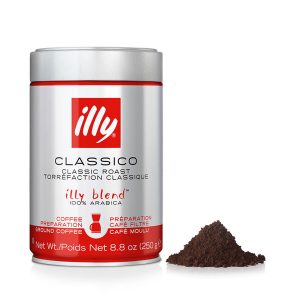
Coffee & Tea
Original price was: $21.99.$6.60Current price is: $6.60.
Sale!
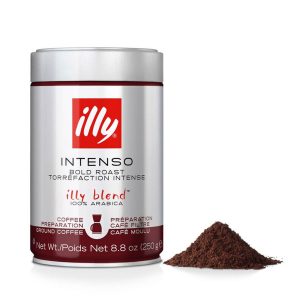
Coffee & Tea
Original price was: $21.99.$6.60Current price is: $6.60.
Sale!
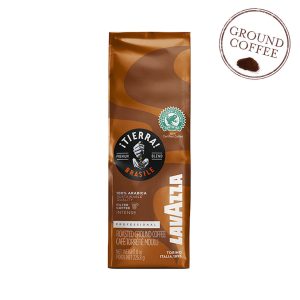
Coffee & Tea
Original price was: $14.99.$4.50Current price is: $4.50.
Sale!
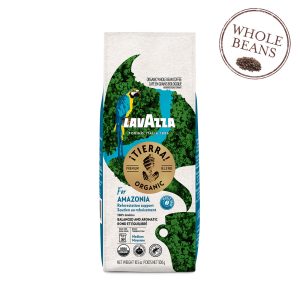
Original price was: $15.99.$4.80Current price is: $4.80.
Sale!
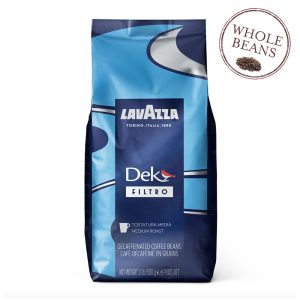
Coffee & Tea
Original price was: $21.99.$6.60Current price is: $6.60.
Sale!
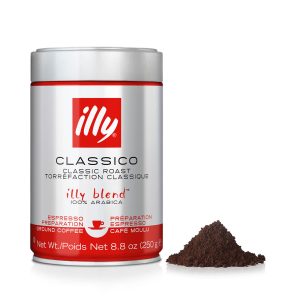
Coffee & Tea
Original price was: $21.99.$6.60Current price is: $6.60.
Sale!
Coffee & Tea
Original price was: $11.99.$3.60Current price is: $3.60.
Sale!
Coffee & Tea
Original price was: $15.99.$4.80Current price is: $4.80.
Sale!
Original price was: $46.99.$14.10Current price is: $14.10.
Sale!
Coffee & Tea
Original price was: $15.99.$4.80Current price is: $4.80.
Sale!
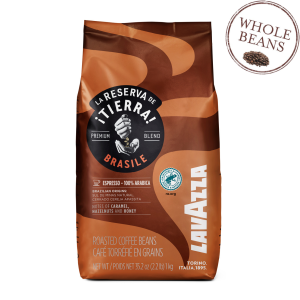
Original price was: $46.99.$14.10Current price is: $14.10.
Sale!
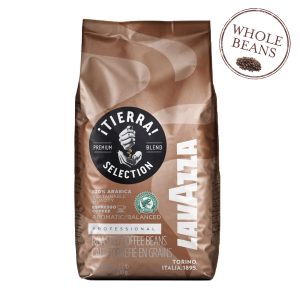
Coffee & Tea
Original price was: $52.99.$15.90Current price is: $15.90.
Sale!
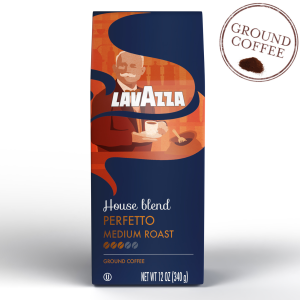
Coffee & Tea
Original price was: $15.99.$4.80Current price is: $4.80.
Sale!
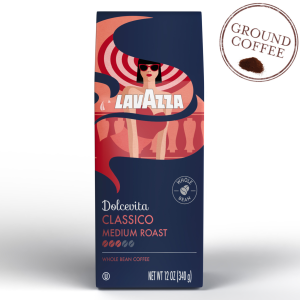
Coffee & Tea
Original price was: $8.99.$2.70Current price is: $2.70.
Sale!
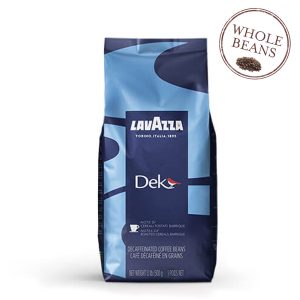
Coffee & Tea
Original price was: $21.99.$6.60Current price is: $6.60.
Sale!
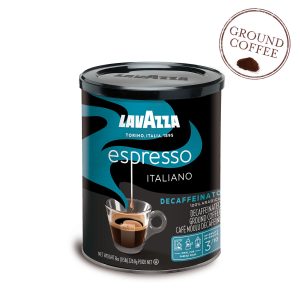
Coffee & Tea
Original price was: $10.87.$3.26Current price is: $3.26.
EATALY ICONS
We’re proud to bring you an authentic taste of Italy by working with artisan producers.
Sale!
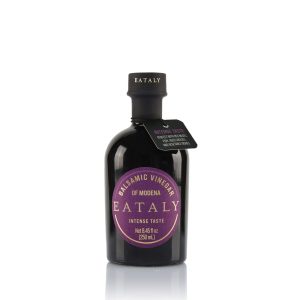
Shop our Products
Original price was: $31.99.$9.60Current price is: $9.60.
Sale!
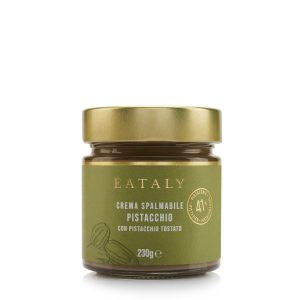
Shop our Products
Original price was: $20.99.$6.30Current price is: $6.30.
Sale!
Shop our Products
Original price was: $15.99.$4.80Current price is: $4.80.
Sale!
Shop our Products
Original price was: $24.99.$7.50Current price is: $7.50.
Sale!
Shop our Products
Original price was: $21.99.$6.60Current price is: $6.60.
Sale!
Shop our Products
Original price was: $19.99.$6.00Current price is: $6.00.
Sale!
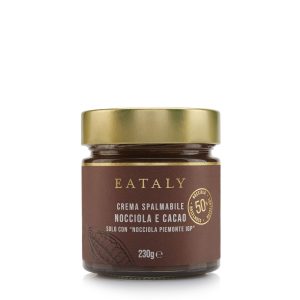
Shop our Products
Original price was: $19.99.$6.00Current price is: $6.00.
Sale!
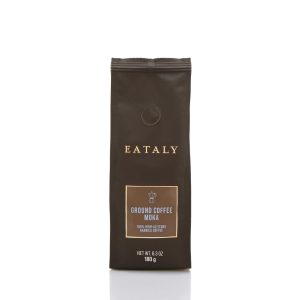
Shop our Products
Original price was: $7.99.$2.40Current price is: $2.40.
Sale!
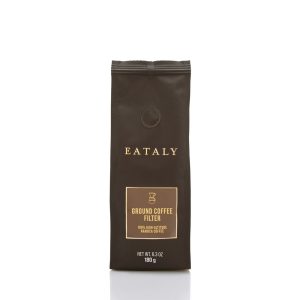
Shop our Products
Original price was: $7.99.$2.40Current price is: $2.40.
Sale!
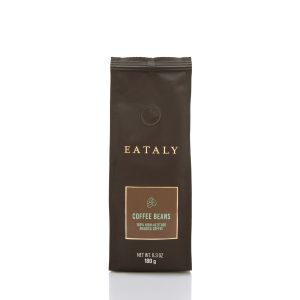
Shop our Products
Original price was: $7.99.$2.40Current price is: $2.40.
Sale!
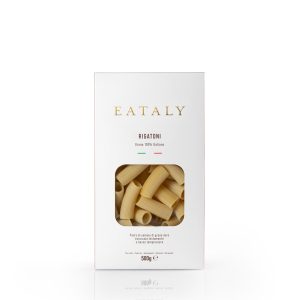
Shop our Products
Original price was: $11.99.$3.60Current price is: $3.60.
Sale!
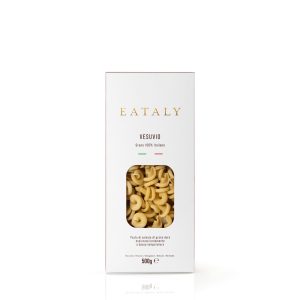
Shop our Products
Original price was: $11.99.$3.60Current price is: $3.60.
Sale!
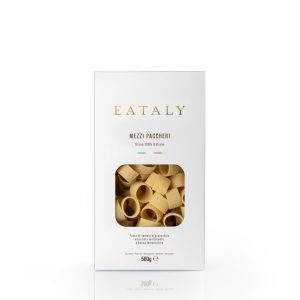
Shop our Products
Original price was: $11.99.$3.60Current price is: $3.60.
Sale!
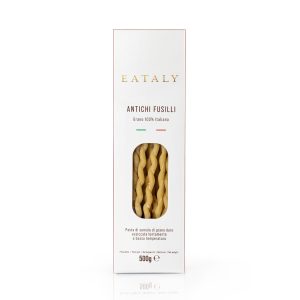
Shop our Products
Original price was: $12.99.$3.90Current price is: $3.90.
Sale!
Shop our Products
Original price was: $11.99.$3.60Current price is: $3.60.
Sale!
Shop our Products
Original price was: $11.99.$3.60Current price is: $3.60.
Sale!
Shop our Products
Original price was: $11.99.$3.60Current price is: $3.60.
Sale!
Shop our Products
Original price was: $11.99.$3.60Current price is: $3.60.
Sale!
Shop our Products
Original price was: $11.99.$3.60Current price is: $3.60.
Sale!
Shop our Products
Original price was: $11.99.$3.60Current price is: $3.60.
Sale!
Shop our Products
Original price was: $12.99.$3.90Current price is: $3.90.
Sale!
Shop our Products
Original price was: $11.99.$3.60Current price is: $3.60.
Sale!
Shop our Products
Original price was: $12.99.$3.90Current price is: $3.90.
Sale!
Shop our Products
Original price was: $12.99.$3.90Current price is: $3.90.
Sale!
Shop our Products
Original price was: $11.99.$3.60Current price is: $3.60.
Sale!
Shop our Products
Original price was: $12.99.$3.90Current price is: $3.90.
Sale!
Shop our Products
Original price was: $18.99.$5.70Current price is: $5.70.
Sale!
Shop our Products
Original price was: $38.99.$11.70Current price is: $11.70.
BEST SELLERS
Find your new favorites among our favorites, from pantry staples to housewares.
Sale!
Best Sellers
Original price was: $7.49.$2.25Current price is: $2.25.
Sale!
Best Sellers
Original price was: $14.49.$4.35Current price is: $4.35.
Sale!
Best Sellers
Original price was: $11.99.$3.60Current price is: $3.60.
Sale!
Original price was: $37.49.$11.25Current price is: $11.25.
Sale!
Best Sellers
Original price was: $38.99.$11.70Current price is: $11.70.
Sale!
Best Sellers
Original price was: $30.49.$9.15Current price is: $9.15.
Sale!
Best Sellers
Original price was: $10.99.$3.30Current price is: $3.30.
Sale!
Best Sellers
Original price was: $3.99.$1.20Current price is: $1.20.
Sale!
Best Sellers
Original price was: $46.99.$14.10Current price is: $14.10.
Sale!
Best Sellers
Original price was: $11.99.$3.60Current price is: $3.60.
Sale!
Best Sellers
Original price was: $10.99.$3.30Current price is: $3.30.
Sale!
Best Sellers
Original price was: $10.99.$3.30Current price is: $3.30.
Sale!
Best Sellers
Original price was: $8.24.$2.47Current price is: $2.47.
Sale!
Best Sellers
Original price was: $15.99.$4.80Current price is: $4.80.
Sale!
Best Sellers
Original price was: $8.99.$2.70Current price is: $2.70.
Sale!
Best Sellers
Original price was: $35.24.$10.57Current price is: $10.57.
Sale!
Best Sellers
Original price was: $11.62.$3.49Current price is: $3.49.
Sale!
Best Sellers
Original price was: $7.99.$2.40Current price is: $2.40.
Sale!
Original price was: $46.99.$14.10Current price is: $14.10.
Sale!
Best Sellers
Original price was: $33.49.$10.05Current price is: $10.05.
Sale!
Best Sellers
Original price was: $20.49.$6.15Current price is: $6.15.
Sale!
Best Sellers
Original price was: $59.99.$18.00Current price is: $18.00.
Sale!
Best Sellers
Original price was: $23.49.$7.05Current price is: $7.05.
Sale!
Best Sellers
Original price was: $10.99.$3.30Current price is: $3.30.
Sale!
Best Sellers
Original price was: $4.49.$1.35Current price is: $1.35.
Sale!
Best Sellers
Original price was: $10.99.$3.30Current price is: $3.30.
Sale!
Best Sellers
Original price was: $12.99.$3.90Current price is: $3.90.
Sale!
Best Sellers
Original price was: $10.99.$3.30Current price is: $3.30.
CLASSES & EVENTS
From hands-on pasta-making classes to storewide wine tastings, explore our calendar of immersive experiences.
EATALY MAGAZINE